Thirty years on: what the 1996 tour of South Africa tells us about this one
In 1996 the All Blacks did what five previous touring sides could not, winning a series in South Africa for the first time. Three decades later they are back for a full tour, and the venues, the calendar and even the arguments have a familiar ring.
Sunday, 16 August 2026
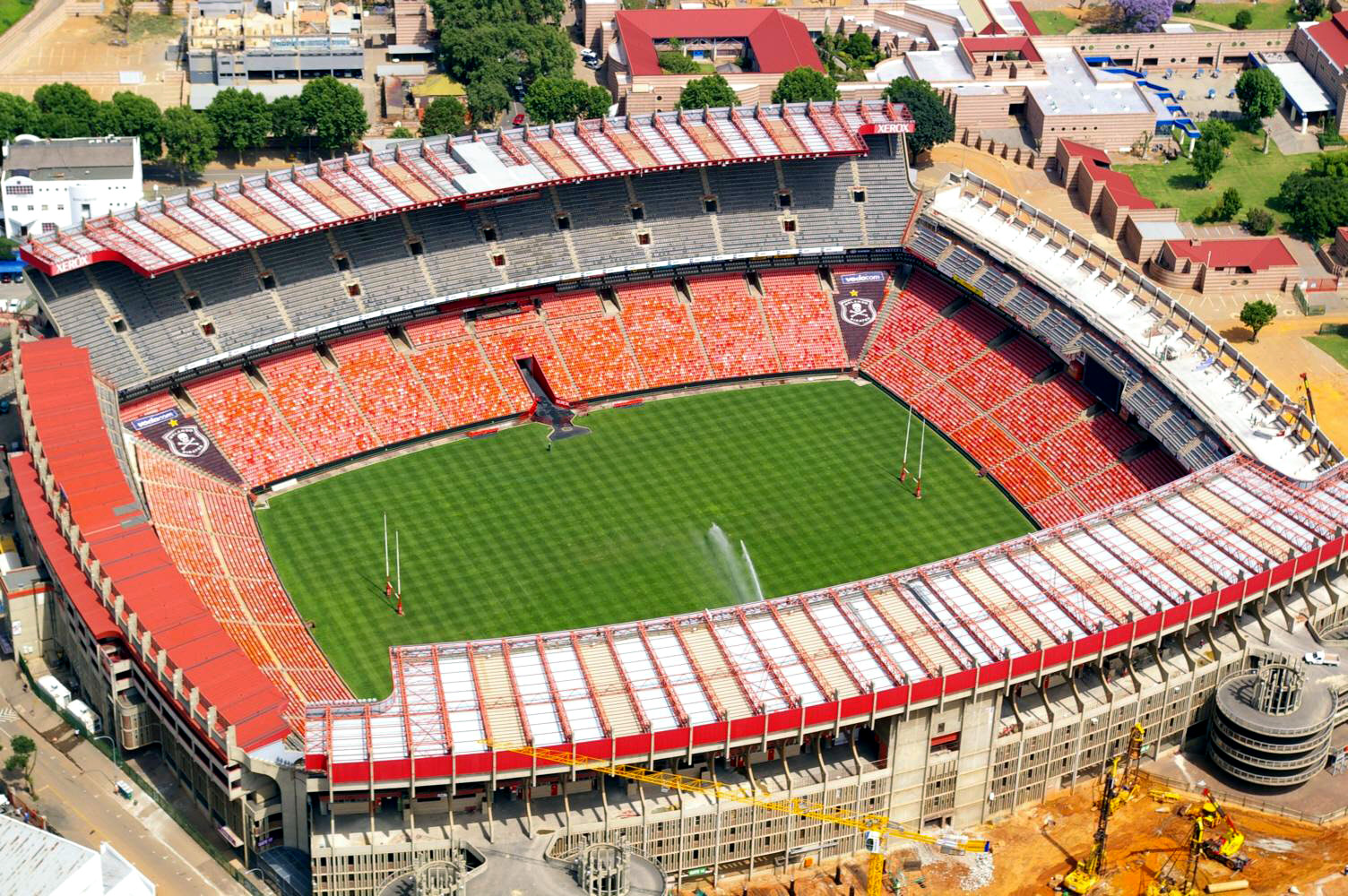
On Saturday the All Blacks walk out at Ellis Park to start a test series in South Africa. The last time a New Zealand side did something genuinely new on that ground, it was 31 August 1996, and they had already won the thing.
If you want to understand why this tour matters, start with that one.
What 1996 actually was
Five All Black sides had toured South Africa before 1996 and none had come home with a series. Not 1928, not 1949, not 1960, not 1970, not 1976. Some of those were very good teams. South Africa, at home, on hard grounds, at altitude, in front of their own people, simply did not lose series.
John Hart's side changed that. Sean Fitzpatrick captained them, and they took the series 2-1.
- First test, 17 August, King's Park, Durban: South Africa 19, New Zealand 23, in front of 52,000.
- Second test, 24 August, Loftus Versfeld, Pretoria: South Africa 26, New Zealand 33, before 51,000. That was the series won, and it is still talked about as one of the great test matches.
- Third test, 31 August, Ellis Park, Johannesburg: South Africa 32, New Zealand 22, with 63,000 in.
They lost the last one and it did not matter. The series was already gone. Across the whole tour they played eight matches for six wins, a draw and that single defeat. They were nicknamed the Incomparables, and Fitzpatrick has said since that he rates that series above winning the inaugural World Cup in 1987. Think about what that means coming from a man who has both.
The echoes are almost eerie
Look at where the 2026 side has just been.
| 1996 | 2026 |
|---|---|
| First test at Durban | Beat the Sharks in Durban, 54-0 |
| Second test at Loftus Versfeld | Beat the Bulls at Loftus, 50-19 |
| Third test at Ellis Park | First test at Ellis Park, 22 August |
Same grounds, same few weeks of the calendar, thirty years apart. The 1996 tests ran 17, 24 and 31 August. The 2026 tests run 22 and 29 August and 5 September. The rugby happens in the same late-winter window it always did.
What has actually changed
This is where the comparison gets interesting, because 1996 was not just another year. It was year one of professional rugby. The players who won that series had been amateurs a season earlier.
Some of what has changed since:
- The bench. Tactical substitutions were a new idea in 1996. Before that you replaced a player because he was hurt, not because it was the 55th minute. Today a coach has eight replacements and a plan for all of them.
- The television match official. There was no TMO in 1996. A referee from France ran the first two tests and made his calls in real time, with no screen to go to.
- The size of everything. Full-time conditioning, year-round contracts, analysts, and squads built to rotate through a tour rather than survive it.
- Where the game goes. The 2026 tour finishes with a test in Baltimore. In 1996 the idea of taking this rivalry to the United States would have sounded like a joke.
A word on the scoreboard
It is tempting to line up 1996's test scores against the numbers this touring side has just posted and declare the modern game unrecognisable. Do not fall for it.
The All Blacks have scored 38, 54 and 50 in South Africa this month, but those were against the Stormers, the Sharks and the Bulls. Good provincial and franchise sides, not the Springboks. The 1996 numbers, 23, 33 and 22, were against the world champions of the day in test matches.
The honest read is that scoring across the game as a whole has risen since the mid-nineties, helped by law changes, fitness and the sheer speed of ball. But you learn nothing by comparing a tour match to a test. We will know what this side is worth at about ten to seven on Saturday evening, New Zealand time.
What to watch for
The thing that made 1996 special was not one performance. It was that a New Zealand side went to the hardest place in rugby, stayed six weeks, played the provinces on their own grounds, and still had enough left to win a series.
That full-tour shape had almost disappeared from the game. This year it is back. Three tour matches played and won, then four tests. However this one finishes, the fact that it is being played at all is the story, and there are thirty-year-old memories waiting to see whether anybody can match them.
One last thing worth knowing: Sean Fitzpatrick is around this tour, talking about it, watching it. The man who lifted the only series ever won in South Africa gets to see whether it happens twice.
🗳️ Fitzpatrick rates the 1996 series win above the 1987 World Cup. Do you agree?
Everyone can vote, no sign-in needed.
🗳️ The full six-week tour is back. Should it stay?
Everyone can vote, no sign-in needed.
Sources & further reading
This story draws on the reporting below. The original journalism deserves your click.
- 1996 New Zealand rugby union tour of South Africa , Wikipedia
- Sean Fitzpatrick rates 1996 series win ahead of World Cup triumph , NZ Herald
- Former players share memories of the historic 1996 triumph in South Africa , NZ Herald
- Fitzy relishing Rugby's Greatest Rivalry , SA Rugby Magazine
- Rugby's Greatest Rivalry tour: everything you need to know , ESPN
Comments (0)
Sign in to join the conversation.